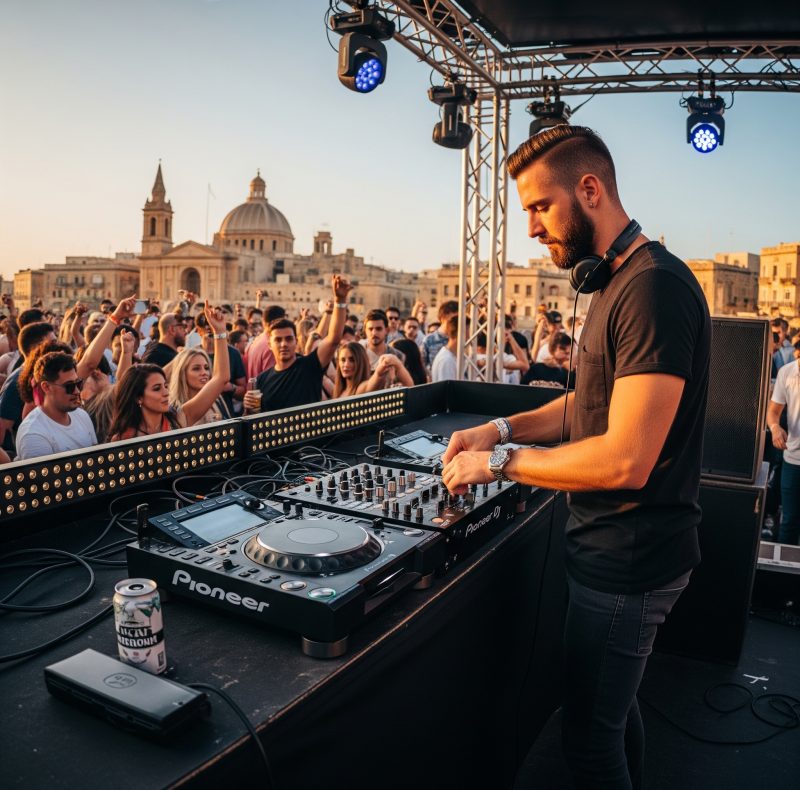
Why Burnout Happens in Music—and How to Recover from It (Techno Scene Edition)
Behind the booth, many DJs and producers quietly struggle with something the industry rarely discusses openly: burnout. Here’s why it happens in techno — and how to recover without losing your career or your love for music.
The Silent Struggle Behind the Booth
From Berlin basements to Ibiza stages, the techno lifestyle looks glamorous from the outside. But behind the booth, many DJs and producers are quietly struggling with something the industry rarely discusses: burnout.
Whether it’s endless touring, pressure to release constantly, or the weight of staying perpetually “relevant,” burnout is one of the most serious threats to longevity in electronic music — especially in techno, where authenticity and consistency are everything.
If you’ve felt drained, uninspired, or disconnected from your craft, you are not alone. This guide breaks down exactly why burnout happens in the techno scene — and how to recover without losing yourself or your career.
What Burnout Looks Like for DJs and Producers
Burnout doesn’t announce itself clearly — it builds gradually, and its signs are easy to dismiss as just being tired or going through a rough patch. These are the most common indicators:
Loss of excitement for gigs and studio sessions
Activities that once generated genuine anticipation begin to feel like obligations — or worse, sources of dread.
Constant exhaustion despite “living the dream”
Tiredness that doesn’t resolve with sleep or rest — a depletion that goes beyond the physical.
Anxiety before shows you once looked forward to
Pre-show nerves that have crossed from productive tension into genuine dread or avoidance.
Struggling to finish tracks or enter any creative state
The studio feels blocked, oppressive, or simply joyless — the opposite of what drew you to music in the first place.
Emotional disconnection from fans and community
The interactions and connections that once energised you begin to feel hollow, performative, or draining.
Key distinction
Tiredness resolves with rest. Burnout persists — or worsens — despite rest. If multiple signs above have been present for more than a couple of weeks, burnout is the more likely explanation than temporary fatigue.
6 Reasons Burnout Happens in the Techno Scene
Relentless touring and travel
The modern techno DJ often plays 3 to 5 shows per weekend across different countries and time zones. Constant flights, airport disruptions, and minimal sleep accumulate into a physical and psychological toll that’s genuinely unsustainable without deliberate recovery. Even Carl Cox and Nina Kraviz have spoken publicly about what heavy touring takes from you over time.
Creative pressure and perfectionism
Techno producers face compounding pressure: release consistently, innovate while staying true to your sound, and match the technical standards of peers whose careers are years ahead of yours. Perfectionism in this context transforms the studio from a source of joy into a source of chronic stress.
Lack of work-life balance
Clubbing is nightlife — which means the working hours are naturally inverted. Add daytime studio sessions, music promotion, travel logistics, and financial administration, and many artists are effectively running on empty for sustained periods. Personal relationships and non-music life are often the first casualties, which deepens the isolation that feeds burnout.
Social media and constant self-promotion
Even in the underground — where credibility matters above all — artists feel increasing pressure to post regularly, maintain an online persona, and track engagement metrics. This visibility demand often feels fundamentally at odds with the underground values that drew many artists to techno in the first place.
Financial stress in the underground scene
Not every techno gig pays well — especially for artists in the early stages of their career. When equipment costs, travel expenses, and rent collide with inconsistent income, financial anxiety becomes a hidden but powerful driver of burnout that rarely gets discussed openly in the scene.
Disconnection from the music itself
This is often the deepest root of burnout: when everything has become about deadlines, gig schedules, and metrics, the original love for techno — the hypnotic loops, the warehouse energy, the community — slowly fades. Forgetting why you started is the point at which burnout transitions from a temporary state into a genuine crisis.
Real Examples: When Artists Hit Burnout
Burnout at the highest level of the industry is more common than most public narratives suggest. These examples demonstrate that it affects artists regardless of their level of success — and that how they responded shaped the longevity of their careers.
Ben Klock — deliberate protection
Ben Klock is known for his measured, careful approach to scheduling and public exposure. He deliberately avoids overexposure, limits his annual performances, and maintains a selective touring calendar. The result is that he has sustained legendary status in the techno world without the deterioration that overcapacity often produces.
Amelie Lens — public honesty
Amelie Lens has spoken openly about the toll that heavy touring takes and the importance of balance in a demanding global career. Her willingness to discuss it publicly has helped destigmatise the conversation around burnout in the scene.
Carl Cox and Nina Kraviz
Both have acknowledged the physical and psychological weight of sustained heavy touring — underscoring that burnout is not a sign of weakness or insufficient commitment, but a natural response to an unsustainable pace.
The pattern across all of these examples: the artists who sustain the longest careers are not those who push hardest without pause — they’re the ones who learn to recognise the warning signs and respond before the damage becomes severe.
“In techno, longevity isn’t about sprinting hardest — it’s about pacing yourself for a marathon that lasts decades.”
How to Recover from Burnout Without Losing Your Career
Recovery from burnout is not about quitting — it’s about finding the balance that allows you to continue. These six approaches form the core of a sustainable recovery:
Take a step back — without guilt
Rest is not laziness. Cancelling a few gigs or taking a deliberate studio break can be a career-saving decision rather than a career-ending one. Communicating a pause honestly — framed as creative renewal rather than crisis — is almost always received with more respect than artists expect. Fans and labels generally respond better to honesty than to watching someone deteriorate publicly.
Reconnect with music for joy, not deadlines
Spend time in the studio without any output obligation — no label deadline, no release plan, no audience in mind. Experiment with sounds that genuinely excite you, regardless of whether they fit your current direction. This kind of purposeless play is often where the reconnection with why you started making music begins to happen.
Build healthier touring and studio routines
Sleep when you can rather than only when it’s convenient. Eat actual meals rather than subsisting on airport food and adrenaline. Light exercise — walking, yoga, stretching — resets the nervous system in ways that are genuinely restorative during intensive touring periods. Small, consistent physical health choices compound significantly over the course of a long touring season.
Lean on community and support systems
Talk to other artists, trusted friends, or mental health professionals. One of the most common revelations for DJs experiencing burnout is discovering that many of their peers feel exactly the same way but haven’t said so. The isolation of not speaking about it is often worse than the burnout itself. You are not alone — and reaching out is not a sign of weakness in the scene or outside it.
Set boundaries with social media and workload
Limit screen time and posting to what genuinely feels sustainable. Delegate admin and promotional tasks where possible. Focus on meaningful interactions rather than chasing engagement metrics. The underground scene’s audience values authentic presence over constant content — a truth that liberates more artists from unsustainable posting habits than they expect.
Redefine success on your own terms
Ask yourself honestly: do you need to play every festival, maintain every booking, and keep every metric growing — or would a more focused, selective career with deeper audience connections serve you better? Success in techno does not have one definition. The artists who last are those who find the version that genuinely sustains them rather than the version that looks best from the outside.
Long-Term Strategies to Prevent Burnout
Recovery is important — but prevention is the more sustainable goal. These habits, built consistently over time, are what allow artists to maintain creative health across a career that lasts decades rather than years:
-
Plan deliberate recovery days after tours Treat recovery time as a non-negotiable scheduling commitment — not something that happens only when you’re already depleted.
-
Rotate intense periods with quieter seasons Build natural breathing room into your annual calendar rather than accepting every available booking across every month.
-
Collaborate to share the creative weight Working with other producers and artists distributes the pressure of constant creative output and often produces more interesting work than solo grinding.
-
Stay grounded in your scene as a fan, not just a performer Attending events you haven’t been booked for — as part of the crowd — reconnects you with why the music matters independently of your career in it.
-
Maintain non-music interests and relationships A life that exists entirely within the music industry creates an identity so intertwined with career outcomes that any setback feels existential. Outside interests provide essential perspective.
-
Regularly reconnect with why you started Not as a motivational exercise — but as genuine pleasure. Make music you have no plan for. Revisit the tracks that made you fall in love with techno before it became your career.
The long-term view
The techno artists who build careers spanning decades are not those who grind the hardest without rest. They are the ones who learn, often through experience, how to sustain their creativity and protect their joy in the music — and then apply that lesson consistently.
Frequently Asked Questions
Can taking a break from DJ gigs hurt my career?
How do I know if I’m burned out or just tired?
Is burnout common in the underground techno scene?
What are the early signs of burnout for DJs and producers?
How do I prevent burnout as a touring DJ?