The music industry is a dreamland for aspiring DJs and music producers. It’s a thrilling journey that combines creativity, technical skills, and a strong connection with your audience. Here’s a step-by-step guide to help you navigate this path.
Step 1: Find Your Sound and Identity
Before diving into the technical aspects, take time to explore what makes you unique. To begin with, discovering your genre involves experimenting with different styles such as house, techno, hip-hop, dubstep, or others. Then, craft a signature style by listening to various artists and analyzing how they develop a recognizable sound. Afterward, focus on building your unique identity as a DJ and producer. For example, brand yourself by choosing a DJ name that resonates with your personality and the vibe of your music.
Ultimately, your sound is your brand, and it’s what sets you apart from others in a competitive industry.
Step 2: Master the Basics of DJing
Equipment, Beatmatching, and Mixing
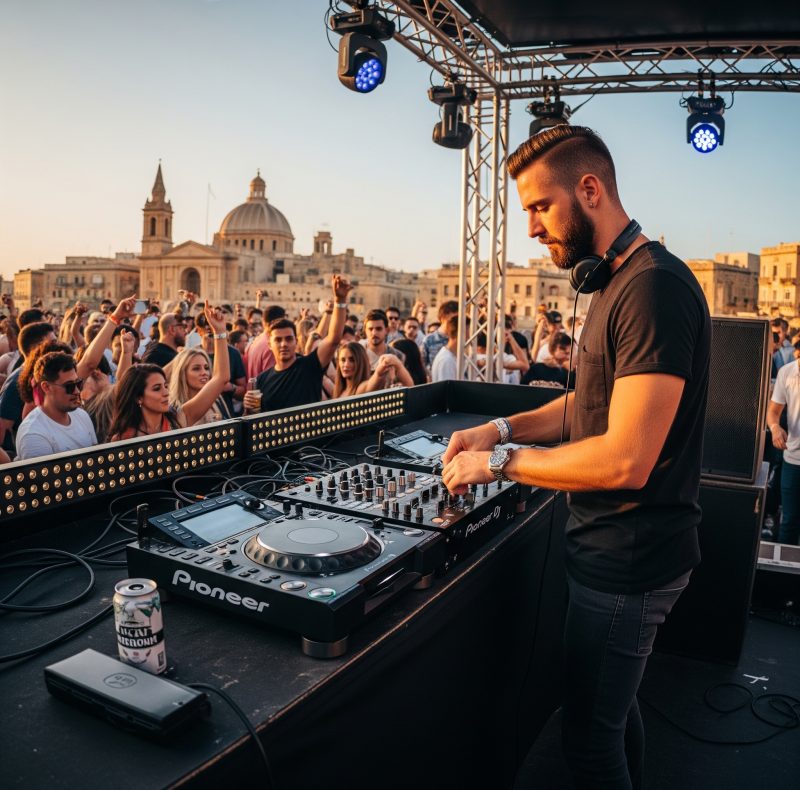
Mastering DJing is essential for live performances. To start, understand your equipment, including DJ controllers, mixers, turntables, and software like Serato DJ or Rekordbox. Additionally, learn to beatmatch by synchronizing the tempos of two tracks manually, as it’s a foundational skill for seamless transitions. Moreover, practice mixing by experimenting with EQs, filters, and effects to create smooth transitions and mashups. Lastly, reading the crowd to sense their energy and play accordingly is an art you’ll develop over time.
To gain experience, take small gigs and refine your stage presence along the way.
Step 3: Build Your Music Production Skills
DAWs and Plugins
Music production is where your creativity truly comes alive. Here’s how to get started. First, pick a DAW (Digital Audio Workstation) like Ableton Live, FL Studio, or Logic Pro. Then, spend time learning your chosen DAW inside out. Next, learn basic music theory, including scales, chords, and rhythm, to enhance your compositions. After that, experiment with sounds using synthesizers, samples, and plugins to create fresh, innovative tracks. To improve further, study arrangement techniques to structure a track with intros, drops, breakdowns, and outros. Lastly, watch tutorials and take courses on platforms like YouTube and Udemy to deepen your knowledge.
Step 4: Build Your Home Studio
A good studio setup is crucial for professional-quality productions. To begin, invest in essential equipment such as a powerful computer, an audio interface, studio monitors, and MIDI controllers. Furthermore, optimize your studio space with acoustic treatment, including soundproofing and acoustic panels for better sound clarity. In addition, purchase high-quality software and plugins for mixing and sound design, such as Serum, Omnisphere, and FabFilter. Moreover, use both studio headphones for detailed editing and monitors for a balanced mix.
Start small, and upgrade as you grow.
Step 5: Create and Release Music
Once you’ve honed your skills, it’s time to release your music to the world. Start with singles, focusing on high-quality releases before jumping into albums or EPs. Furthermore, collaborate with vocalists, instrumentalists, or fellow producers to expand your reach and creativity. In addition, distribute your tracks on streaming platforms like Spotify, Apple Music, and SoundCloud through services such as DistroKid or TuneCore. To promote your music, use social media, blogs, and email newsletters to build anticipation for your releases.
Finally, submit your tracks to playlists and DJs who might feature them in their sets.
Step 6: Network and Build a Brand
Networking is key to growing in the music industry. For instance, attend industry events like music conferences, local gigs, and festivals to meet like-minded individuals. Furthermore, engage on social media by regularly posting about your music, gigs, and creative process to build a connection with your audience. Collaborating with other DJs, producers, and influencers to cross-promote each other is also essential. Additionally, design an eye-catching logo, album art, and promotional material that align with your sound.
Building genuine relationships will open doors to gigs, collaborations, and mentorship opportunities.
Step 7: Perform Live and Grow Your Presence
Performing live is the ultimate test of your DJ skills and stage charisma. Start by booking local gigs at small venues like clubs, events, or after parties. Next, develop a dynamic set that flows seamlessly, mixing crowd favorites with your originals and surprising the audience with unique transitions. Furthermore, engage the crowd by interacting with them and responding to their energy. As your reputation grows, aim for larger venues and festivals.
Always leave your audience wanting more—it’s the best way to grow your fan base.
Final Thoughts
Becoming a successful DJ and music producer takes time, dedication, and patience. Therefore, stay committed to your craft, continuously improve your skills, and don’t be afraid to take risks. Success doesn’t come overnight, but with persistence and passion, you’ll carve your place in the music world.