From Bedroom to Festival Stage: How to Land Your First Big Gig
Table of Contents
- Introduction: The Leap from Bedroom to Stage
- Why Landing Your First Big Gig Matters
- Step 1: Master the Craft Before the Stage
- Step 2: Build Your Personal DJ Brand
- Step 3: Network with Promoters and DJs
- Step 4: Create and Share Your Demo Mixes
- Step 5: Produce Your Own Tracks (Game Changer)
- Step 6: Leverage Social Media the Right Way
- Step 7: Start Small, Then Scale Up
- Step 8: Seize Opportunities and Be Reliable
- What Promoters Really Look For in New DJs
- Mistakes to Avoid on the Path to Your First Gig
- Real Stories: DJs Who Went from Bedroom to Festival
- Conclusion: Your Roadmap to That First Big Gig
- FAQs
Introduction: The Leap from Bedroom to Stage
Every DJ remembers the moment: spinning tracks alone in your room, imagining the crowd cheering. But how do you go from bedroom DJ to festival stage—from dreaming to actually landing your first big gig?
It’s not just about skill. It’s about strategy, branding, connections, and consistency. In this guide, you’ll learn exactly what it takes to break out and book that first show that can kickstart your career.
Why Landing Your First Big Gig Matters
Your first big gig is more than just a night—it’s a launchpad. It can:
- Put your name in front of promoters.
- Build confidence to play bigger venues.
- Attract fans who follow you beyond that night.
- Open doors to collaborations and bookings.
👉 Many successful DJs look back at that “first break” as the spark that changed everything.
Step 1: Master the Craft Before the Stage
Before reaching for the spotlight, be undeniable behind the decks.
- Practice daily transitions, EQ, and track selection.
- Record yourself to catch mistakes.
- Learn to read energy flow (not just beatmatch).
💡 Pro Tip: Practice in “real-life” conditions—play longer sets, rehearse with club-style playlists, and simulate the pressure of an audience.
Step 2: Build Your Personal DJ Brand
In 2026, being a great DJ isn’t enough—you need an identity.
- Pick your style: Are you deep house, techno, drum & bass, or a genre-blender?
- Visuals matter: Logo, social media aesthetic, and photoshoots count.
- Tagline/story: What’s your narrative? (e.g., “Dark Techno with hypnotic grooves”).
👉 Promoters book DJs who are both musically unique and marketable.
Step 3: Network with Promoters and DJs
Relationships matter as much as skills.
- Go to local events and introduce yourself to promoters.
- Support other DJs’ sets (community over competition).
- Offer to open or close sets—less glamorous, but it gets you in.
💡 Think of networking like DJing: timing, flow, and reading the room are everything.
Step 4: Create and Share Your Demo Mixes
Promoters want to hear proof.
- Record professional-quality mixes (30–60 min).
- Post them on SoundCloud, Mixcloud, and YouTube.
- Share them consistently (monthly/quarterly).
👉 Treat demo mixes like your musical resume.
Step 5: Produce Your Own Tracks (Game Changer)
Many DJs land their first big gig because of a single track.
- Upload original music to Spotify/Beatport.
- Share clips on TikTok/Reels for organic reach.
- Send to DJs and labels who align with your sound.
💡 A track that gains traction can fast-forward your journey from bedroom to main stage.
Step 6: Leverage Social Media the Right Way
Your Instagram/TikTok is your portfolio.
- Share clips of mixes, behind-the-scenes, and music tips.
- Post regularly (at least 2–3 times a week).
- Avoid spamming flyers—mix content with personality.
👉 Social proof matters. Promoters check your socials before booking.
Step 7: Start Small, Then Scale Up
- Play house parties → bars → local clubs → regional festivals.
- Each step builds experience and credibility.
- Collect videos/photos of every set (content is proof).
Analogy: Think of it like leveling up in a video game—you don’t skip straight to the boss fight.
Step 8: Seize Opportunities and Be Reliable
Your first big gig might come when you least expect it.
- Be ready to fill in for cancellations.
- Always show up early, prepared, and professional.
- Reliability builds trust—trust brings more gigs.
What Promoters Really Look For in New DJs
- Crowd control: Can you make people dance?
- Professionalism: Are you easy to work with?
- Brand value: Do you bring your own following?
- Originality: Do you sound like everyone else, or unique?
👉 Remember: promoters are businesspeople. They want DJs who fill venues.
Mistakes to Avoid on the Path to Your First Gig
- Sending messy emails to promoters.
- Expecting headliner slots right away.
- Copying another DJ’s style too closely.
- Playing for free too often (know your worth).
Real Stories: DJs Who Went from Bedroom to Festival
- Fisher: From small Aussie gigs → viral track “Losing It” → worldwide festivals.
- Amelie Lens: Started with underground parties in Belgium → own label → global techno queen.
- Dom Dolla: Hustled local gigs, produced tracks, and leveraged social media to break out.
💡 They all started small—but combined persistence, branding, and music to break through.
Conclusion: Your Roadmap to That First Big Gig
Going from bedroom to festival stage isn’t luck—it’s a strategy. Master your craft, build your brand, network smart, release music, and show up consistently.
Your first big gig is out there waiting—but you need to put yourself in the right places to catch it.
👉 Call to Action: Don’t just practice in your room tonight. Record a mix, post it, and email a promoter. Your journey to the stage starts now.
Suggested Images/Infographics
- Infographic: “The Step-by-Step Journey to Your First Big Gig”
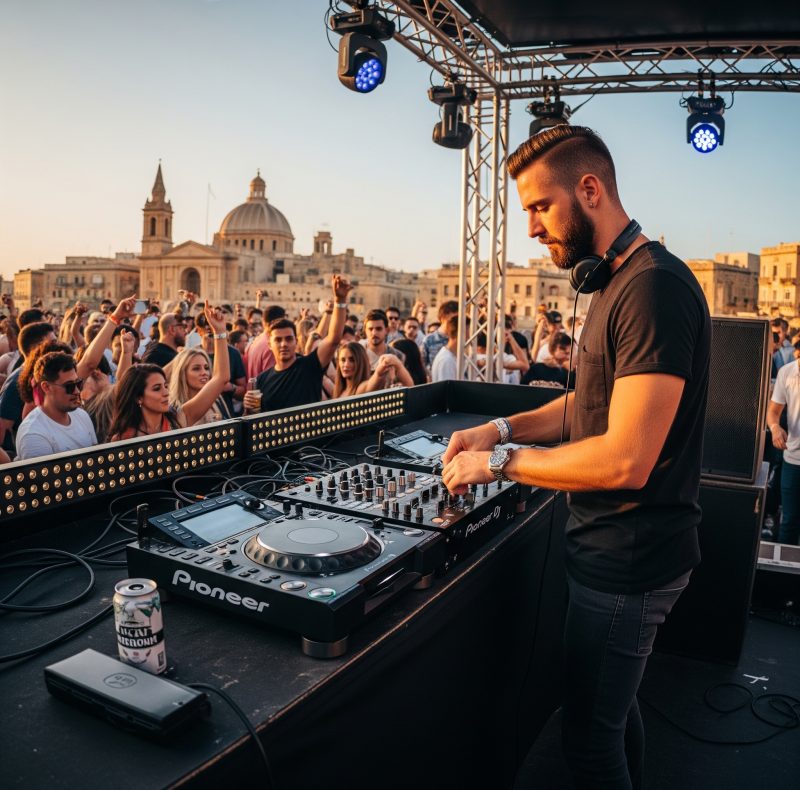
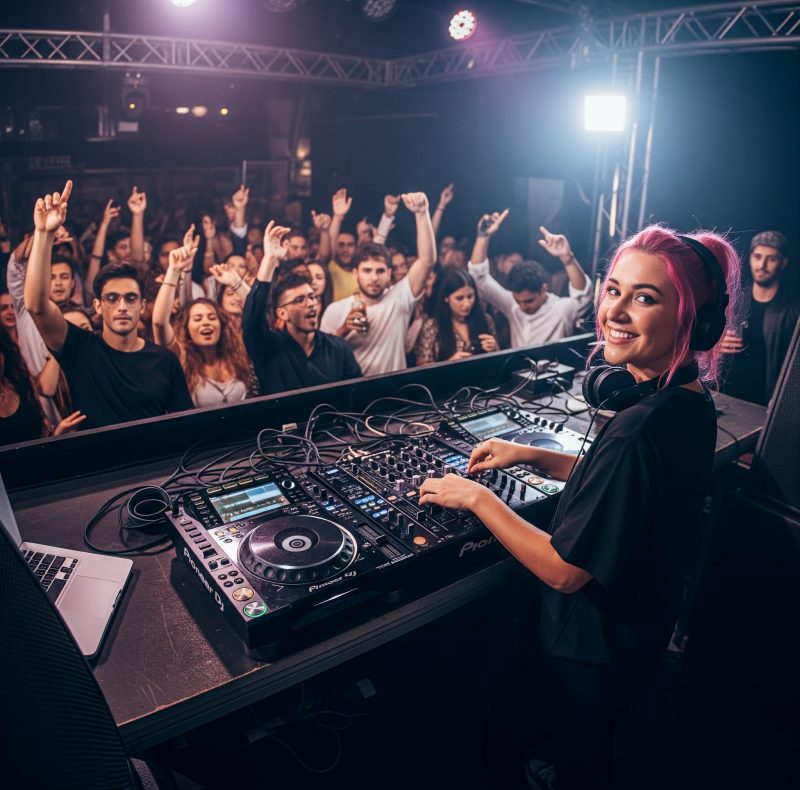
- Comparison: Bedroom setup vs. Festival stage setup
- Networking flowchart: How DJs connect with promoters
- Social media content example posts for DJs
FAQs
Q1: Do I need to produce music to land my first big gig?
Not always, but it helps massively. Original tracks attract promoters and fans faster.
Q2: How long does it usually take to get a festival gig?
Anywhere from 1–5 years depending on your consistency, networking, and content.
Q3: Should I play for free when starting out?
Playing a few free gigs for exposure is okay, but don’t make it a habit. Always value your craft.