What Labels Actually Look for in 2026 (Techno Scene Edition)
Getting signed to a techno label in 2026 takes more than raw talent. Here’s exactly what underground and boutique labels look for — and how to align your career with those expectations.
The Techno Industry Has Changed — and So Have Label Expectations
The techno world of 2026 is not the same as it was a decade ago. Berlin, Amsterdam, Tbilisi, and Detroit remain cultural hubs, but the underground has gone genuinely global — and the labels that matter are receiving more submissions from more places than ever before.
Labels like Drumcode, Ostgut Ton, Afterlife, Token, and smaller DIY imprints are all actively shaping the sound — but here’s the reality: getting signed takes more than raw talent. Talent is the entry ticket. What wins the signing is everything that surrounds it.
What Techno Labels Used to Want vs. What They Want Now
Understanding how expectations have evolved helps you focus your energy on what actually matters in 2026 — rather than following advice that was relevant a decade ago.
Then (2000s to 2010s)
- Raw demo tracks with an underground sound
- Local scene connections (Berlin clubs, Detroit warehouses)
- DJ reputation built before producing
- Physical presence in key cities
Now (2026)
- Polished productions with a distinctive sonic fingerprint
- Community contribution beyond your own ego
- Balance of underground credibility and professional presentation
- Consistent releases and gig output over time
The shift in one sentence
Techno labels in 2026 want artists who are both authentic and professional — the underground values of the past and the production standards of the present, held simultaneously.
6 Things Techno Labels Actually Look for in 2026
Unique sound and sonic identity
Techno is flooded with competent, similar-sounding tracks. What labels are genuinely searching for is a sonic fingerprint — something immediately identifiable as yours, even before anyone checks the artist name.
- Distinct sound design that stands apart from the current scene consensus
- A recognisable production style — groove, atmosphere, modular textures, or hypnotic layering that’s consistently yours
- Music that works equally in intimate clubs and large festival environments
The test
If a promoter drops your track in a set and heads turn — that’s the level you need to consistently hit.
Consistency and reliability
One standout track is interesting. A body of consistently high-quality work is signable. Labels want to see an artist who can deliver again and again — not one who peaks once and disappears.
- Several high-quality, finished tracks released per year — not one exceptional track per career
- A track record of meeting deadlines and delivering what was promised
- Authenticity that evolves naturally with the scene rather than chasing each new trend reactively
Strong DJ and live performance presence
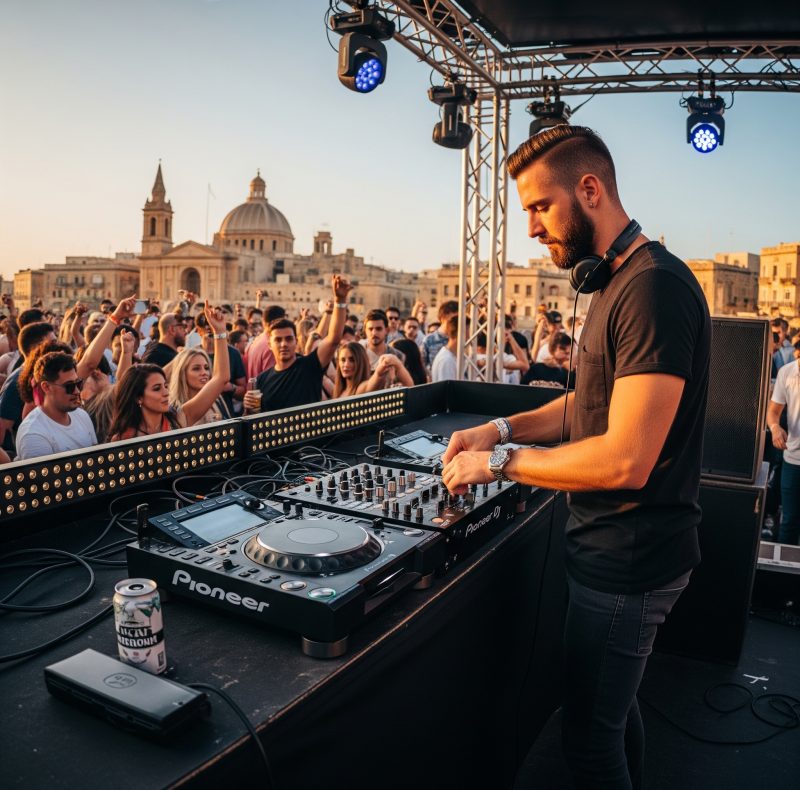
In techno, how you perform matters as much as what you release. A label signing an artist is also signing their live presence — because that presence is what drives the music’s cultural impact and commercial reach.
- The ability to hold a room for hours — not just deliver one memorable track in someone else’s set
- A genuine understanding of both club and festival energy, and how to navigate between them
- A reputation built on consistent, memorable performances across multiple venues and scenes
Genuine connection to the techno community
Techno is fundamentally about community — and labels notice when an artist is genuinely part of it rather than extracting from it. The culture has a long memory for artists who give before they take.
- Supporting other artists — sharing their music, attending their events, acknowledging the scene around you
- Active participation in local scenes — Berlin basements, London warehouses, Detroit collectives, or wherever your scene is based
- Collaborating and contributing beyond your own releases and career advancement
Marketability without selling out
Underground labels still operate as businesses — they need artists they can promote and whose music they can sell. The challenge is that the techno community is acutely sensitive to artists who appear to chase mainstream appeal at the expense of authenticity.
- A clear, coherent visual identity — artwork, minimal or distinctive aesthetic, and promotional content that feels earned
- Social presence that feels genuinely authentic rather than strategically constructed for growth
- The ability to connect with fans without losing the underground credibility that makes the connection meaningful
Professionalism and scene credibility
Labels won’t invest time and resources in artists who are unreliable. The underground values authenticity — but it also values the professionals who consistently show up, deliver, and treat everyone in the chain with respect.
- Respectful, clear professional communication — prompt replies, organised submissions, and no entitlement
- A track record of showing up on time and delivering on every professional commitment
- A genuine understanding of the culture and history of techno — not a surface-level relationship with the genre
How the Techno Label Ecosystem Works in 2026
Understanding where different labels sit in the ecosystem helps you sequence your career realistically — and target the right opportunities at the right stage of your development.
| Label tier | Examples | Role in the ecosystem | Typical path |
|---|---|---|---|
| DIY / Collective | Local imprints, scene collectives | Build first reputation, establish scene credibility, develop your sound in public | Starting point for most artists |
| Boutique | Token, Klockworks, Dystopian, Tresor | Tastemakers — curate and shape the underground sound, not mass marketers | After building credibility at DIY level |
| Major platform | Drumcode, Afterlife, Ostgut Ton | Global platforms with large fanbases and significant promotional infrastructure | Typically after established boutique presence |
The realistic path
Build a reputation locally and on DIY imprints, release on boutique labels that match your sound, and scale from there. Jumping straight to major labels rarely works — and the boutique credibility that comes from doing it properly is exactly what major platforms are looking for anyway.
What Artists Can Do to Attract Techno Label Attention
-
Develop your sound — study, don’t copy
Study the artists whose work you admire deeply enough to understand their principles, then apply those principles to your own creative direction rather than replicating their surface sound.
-
Release independently first
Build streaming data, audience traction, and a documented release history on Bandcamp and SoundCloud before approaching labels. Independent momentum makes your pitch significantly stronger.
-
Play local shows consistently
Build a name in your scene before chasing festivals or major bookings. Local credibility is the foundation that everything else sits on.
-
Engage genuinely with the culture
Attend events, support labels and artists you respect, and be visibly part of the community you want to be signed by. Labels notice who shows up.
-
Maintain consistent output
One track per year doesn’t demonstrate the reliability that labels need. Steady, quality output — even on DIY imprints — builds the catalogue and consistency evidence that makes you signable.
“Talent is the entry ticket. Identity, consistency, and community connection are what win the signing.”
Real Artist Examples: Signed for More Than Talent
Each of these artists demonstrates the same underlying formula — and none of them got there through talent alone.
Amelie Lens
Identity + community + label building
Grew from small Belgian clubs to global recognition by building her own Lenske label and nurturing a genuine community around her music — not by waiting to be discovered.
Dax J
Underground credibility + relentless touring
Built a formidable reputation through genuine underground credibility and consistent touring across scenes — the larger label interest came as a consequence, not a cause.
Nina Kraviz
Distinctive aesthetic + strategic connections
Combined a uniquely distinctive visual and musical aesthetic with carefully cultivated label connections — a clear identity that made her impossible to overlook.
The shared formula
Identity + consistency + connection. Every signing story in techno, regardless of the specific artist or label, traces back to the same three foundations.
Tools and Resources for Aspiring Techno Artists
| Tool | Category | How it supports your signing strategy |
|---|---|---|
| Bandcamp | Distribution | Self-release and build direct fan relationships — generates streaming data and income while pitching to labels |
| DistroKid | Distribution | Affordable multi-platform distribution to Spotify, Beatport, and beyond — builds streaming presence independently |
| Ableton Live + modular | Production | The dominant production setup in the techno scene — deep familiarity builds the distinctive sound design labels notice |
| Resident Advisor | Networking | Industry-standard platform for event listings, artist profiles, and connecting with the techno community |
| Boiler Room / Discord | Community | Boiler Room performance visibility; Discord communities for artist networking, feedback, and scene participation |
| Mixcloud / SoundCloud | Promotion | Upload mixes and tracks to build a documented, searchable performance and release history for label A&R review |
Common Myths About Techno Labels
-
Myth
You need to live in Berlin to get signed to a respected techno label
Truth
It can help with networking, but high-quality music and a well-developed online and live presence can cut through geographical limitations. Many artists have been signed while based outside the traditional hubs.
-
Myth
Underground techno labels don’t care about online presence
Truth
They do — but the quality and authenticity of that presence matters more than its size. Genuine storytelling and community engagement is what underground labels respond to.
-
Myth
If your track is good enough, labels will find you
Truth
Labels receive thousands of submissions. You need to network, be visible in relevant communities, promote your releases, and approach labels directly — waiting to be discovered is not a strategy.
Frequently Asked Questions
Do I need to produce music to be signed as a techno DJ?
Should I move to Berlin to succeed in techno?
How do I approach techno labels for a demo submission?
What is the difference between boutique and major techno labels?
Do underground techno labels care about social media presence?