Why Networking is the Game-Changer Emerging Artists Need
Networking for Emerging Artists in Europe: The Ultimate Guide
Whether you are a DJ, producer, or live performer, mastering music industry networking is the fastest route from local gigs to European stages. Here is exactly how to do it — with the events, strategies, and tools that actually work.
Why Networking Is the Game-Changer Emerging Artists Need
If you are an emerging artist — whether a DJ, producer, or live performer — you have probably already mastered the basics. You have played gigs, released tracks, and built a social media following. Yet scaling your career to the next level can feel impossibly out of reach.
The answer, consistently, is networking. Building the right connections opens doors that talent alone cannot — this is the true engine of music career growth across Europe and beyond. Landing bigger gigs, getting signed by recognised labels, growing your social presence: all of these milestones begin with a relationship.
The European music industry is both vast and surprisingly close-knit. The same promoters, A&R scouts, and booking agents circulate across ADE, IMS Ibiza, Sonar, and dozens of regional events. Getting into those circles — and staying there — is how careers are made.
4 Key Benefits of Music Industry Networking
1. Unlock bigger gigs across Europe
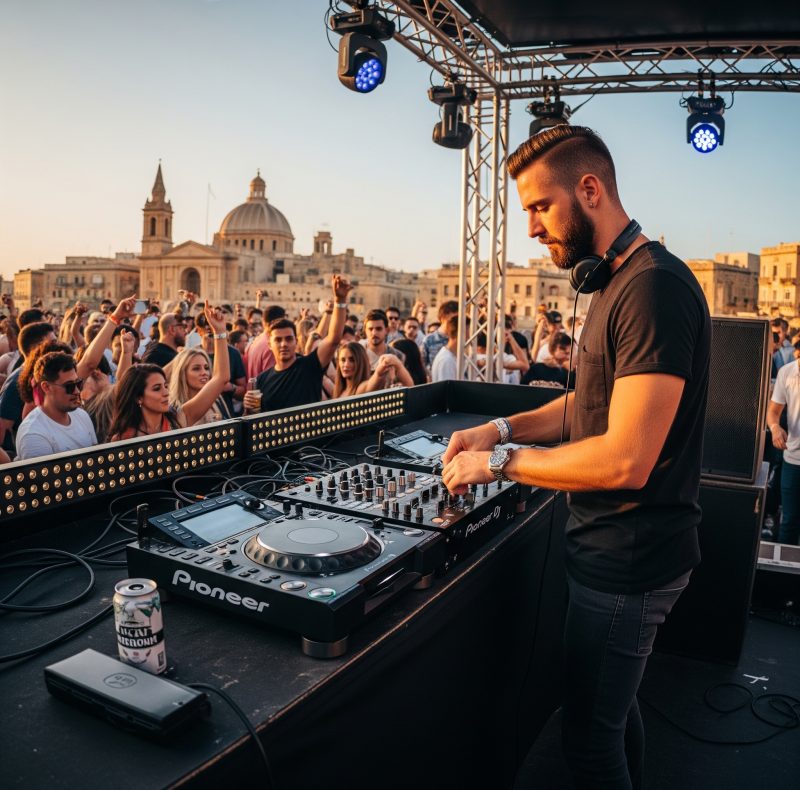
Promoters and venue managers across European cities — from Berlin and Barcelona to Amsterdam and Malta — are always searching for fresh talent. However, they rarely book artists they do not know personally. Networking gets you on their radar, moving you from playing local clubs to headlining regional and national stages.
2. Get signed with confidence
Sending cold emails to A&R representatives is like throwing darts in the dark. Building personal connections with decision-makers gives your tracks a far better chance of a serious listen — and ultimately, a deal. The majority of signings in electronic music begin with a personal introduction, not an unsolicited demo.
3. Collaborate to multiply your reach
Collaboration doubles your exposure instantly. When you work with other artists, you tap into their audience while showcasing your creative range. Networking is the primary way to find like-minded artists ready to collaborate on music that matters — and those relationships often become the most enduring of a career.
4. Stay ahead of European music trends
The music industry moves quickly. Being embedded in a network of industry professionals keeps you informed about emerging trends, upcoming opportunities, and the insider insights that give you a genuine competitive edge — especially important in Europe's diverse and fast-moving market.
Proven Networking Strategies for Emerging Artists
Show up and stand out
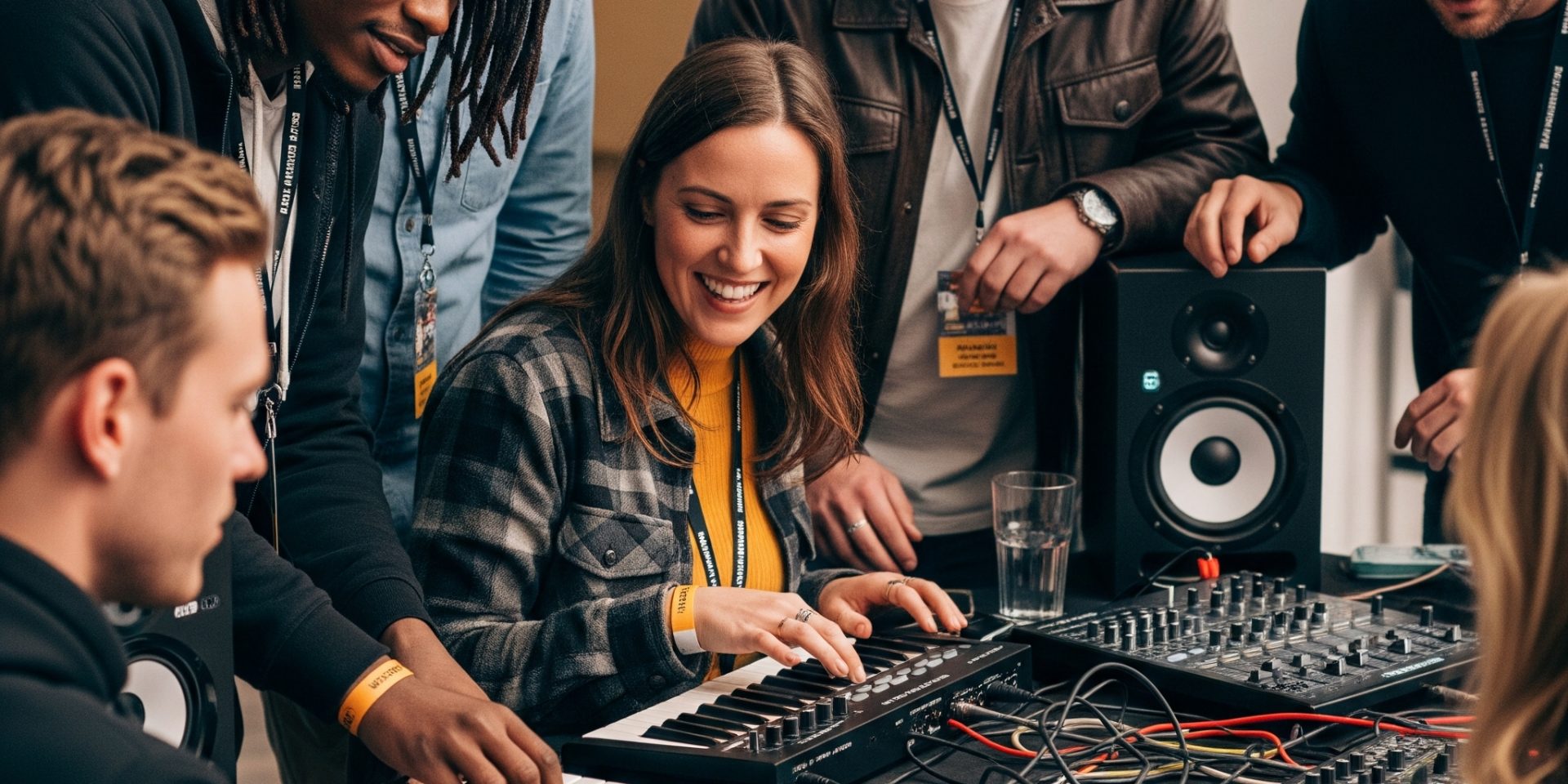
You cannot build connections if you are not present. Attend industry events, live gigs, festivals, and music conferences. Introduce yourself to promoters, fellow DJs, and artists. Even a genuine conversation with the sound crew can open unexpected doors — the music industry is smaller and more interconnected than it appears from the outside.
Events like ADE (Amsterdam Dance Event), IMS Ibiza, Sonar Barcelona, and local promoter nights in your city are genuine networking goldmines for emerging artists in Europe. A single well-prepared trip to ADE can compress years of networking into four days.
Use social media with purpose
Social media is far more than a platform for posting tracks. It is a powerful networking instrument. Like, comment thoughtfully, and share content from industry professionals. Send considered direct messages — not just favour requests — that demonstrate you have genuinely engaged with their work and understand what they do.
Deliver value first
Never approach connections purely to ask for something. Build relationships by offering genuine value first: share another artist's track, promote an event you believe in, or offer honest and constructive feedback. People are far more inclined to support you when you have already supported them.
Master the follow-up
After meeting someone, follow up within 24–48 hours. Reference where you met, mention something specific from your conversation, and keep the relationship warm. This single habit separates professionals from artists who disappear after a handshake — and it is the most consistently neglected step in the entire process.
"Networking is not about who you know. It is about who knows you — and what they say when you are not in the room."
Best Music Networking Events in Europe for Emerging Artists
Europe hosts some of the world's most important music industry gatherings. Prioritise these for maximum networking return — and go with a clear strategy, not just a badge and a hope:
| Event | Location | Best for | Typical timing |
|---|---|---|---|
| ADE – Amsterdam Dance Event | Amsterdam, Netherlands | Electronic / DJ / Producer networking | October |
| IMS Ibiza | Ibiza, Spain | Electronic music industry leaders | May |
| Sonar + Sonar+D | Barcelona, Spain | Electronic, club, experimental artists | June |
| Eurosonic Noorderslag | Groningen, Netherlands | Emerging artists across all genres | January |
| Reeperbahn Festival | Hamburg, Germany | Indie, pop, and cross-genre networking | September |
| Budapest Music Expo | Budapest, Hungary | Central European industry connections | October |
Based in Malta? The island's club and festival scene connects directly to the Ibiza circuit. Building relationships with Maltese promoters and event organisers is an often-overlooked gateway to Mediterranean European bookings — and a genuine competitive advantage for artists based there.
Step-by-Step: How to Network for Gigs as an Emerging Artist
-
Build your local foundation
Develop genuine relationships with local promoters, venue managers, and established DJs. Volunteer to open for bigger acts or play warm-up sets — these are your proof-of-concept performances that demonstrate professionalism before anyone takes a risk on you.
-
Earn trust, then ask for introductions
Once you have demonstrated reliability and professionalism, ask trusted contacts to introduce you to regional or national promoters. A warm introduction is exponentially more powerful than a cold email — and far more likely to result in a genuine conversation.
-
Be consistently professional
Show up fully prepared, deliver standout performances, and personally thank everyone involved — from the promoter to the sound engineer. Your reputation is your most valuable networking asset, and in music, it travels faster than your music ever will.
-
Document and share your journey
Post behind-the-scenes content from gigs and rehearsals. This builds your online presence and gives industry contacts something to reference when they talk about you to others — turning every performance into a passive networking asset.
-
Scale to major European events
Once you have built a solid regional reputation, invest in attending ADE, IMS Ibiza, or Eurosonic. These events compress years of networking into a few days when you approach them with a clear strategy, pre-arranged meetings, and a well-prepared introduction.
Overcoming Common Networking Challenges
Shyness is not a dealbreaker
Not every successful DJ or artist is naturally extroverted — and that is completely fine. Focus on one-on-one interactions rather than working a room. Connect online first through well-considered messages before attending in-person events. Confidence in networking grows with practice, not with personality type.
Stand out through personal branding
In a crowded European market, your brand and music need to communicate a clear identity. Be specific about who you are, what you sound like, and what makes your approach unique. A strong, consistent personal brand makes you memorable and attracts exactly the right connections to your orbit — people who genuinely align with what you are building.
Balance networking with your creative work
Time is finite. Treat networking as a professional investment: block one to two hours per week specifically for reaching out to contacts, attending events, or engaging meaningfully online. Consistency over months and years is what compounds into a breakthrough — not a single frenzied week at ADE.
The relationships you build today may not pay off for another six months — or two years. The artists who sustain momentum are the ones who network consistently and authentically, not just when they need something. Start small, stay genuine, and play the long game.
Online Networking Tools Every Emerging Artist Should Use
Join active music communities
Platforms such as Reddit (r/WeAreTheMusicMakers, r/DJs), Discord servers for producers, and Facebook groups for electronic music in Europe are excellent entry points for genuine relationship-building with artists, promoters, and A&R scouts. Participate consistently — do not just post your own music and disappear.
Make LinkedIn work for your music career
LinkedIn is significantly underused by emerging artists, yet it hosts a large number of A&R representatives, booking agents, and event organisers across Europe. Connect with these decision-makers, share your career milestones, and maintain a polished, professional profile that positions you as serious about your career — not just someone looking for a favour.
Share behind-the-scenes content on Instagram and TikTok
Authentic process content — studio sessions, sound design walkthroughs, pre-gig preparation — builds both fan bases and professional credibility simultaneously. Industry contacts frequently discover artists this way, and it provides natural conversation-starters when you do reach out directly.